Alum Block for Shaving: Benefits and How to Use It
Post Disclaimer
*We may earn a commission for purchases made using our links. Please see our disclosure to learn more.
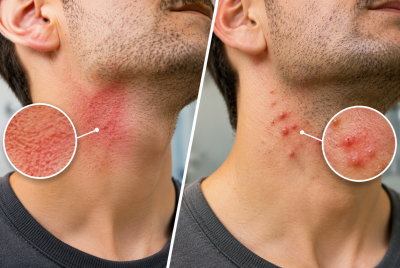
A smooth shave should leave your skin feeling clean and comfortable, not covered in razor burn, redness, or tiny cuts. However, even with a good razor and shaving cream, irritation can still happen. That’s where an alum block for shaving can be a useful addition to your grooming routine.
An alum block is a traditional post-shave product made from potassium alum, a mineral salt with astringent properties. It can help control bleeding from minor shaving nicks, temporarily tighten the skin, and provide feedback about areas where your razor may have caused too much friction.
Unlike heavily fragranced aftershaves, a pure alum block contains just one ingredient. It’s also reusable, easy to apply, and can last for months with proper care.
This guide explains what an alum block does, its benefits and limitations, how to use it correctly, and four products worth considering.
“Shave in the direction that the hair grows.”
— American Academy of Dermatology
Key Takeaways
- An alum block is a mineral-based aftershave product made from potassium alum.
- Its astringent properties can help control minor shaving nicks and temporarily tighten the skin.
- Apply it to clean, damp skin after shaving, then rinse and moisturize.
- Mild stinging can occur, especially where shaving has irritated the skin.
- Alum blocks do not replace proper shaving technique, moisturizers, or treatment for persistent skin problems.
- Gentleman Jon, Proraso, Parker, and Osma offer popular alum blocks for traditional wet shaving.
4 Best Alum Blocks for Shaving
Choosing a shaving alum block mainly comes down to size, shape, packaging, and ease of storage.
These four established products are worth considering. The recommendations are based on published product specifications and practical features rather than hands-on testing.
1. Gentleman Jon Alum Block – Best Overall for Beginners


The Gentleman Jon Alum Block is a traditional aftershave essential made from 100% potassium alum. Designed for use after shaving, this 3.7 oz stone helps control minor razor nicks, provides an astringent finish, and leaves skin feeling refreshed. Its smooth surface makes application easy, while the included travel-friendly plastic case protects the block during storage. Suitable for traditional wet-shaving routines, it offers a simple alternative to liquid aftershaves.
- Pure Formula: Made from 100% potassium alum.
- Travel-Friendly: Includes a protective plastic case.
- Long-Lasting: Reusable 3.7 oz block for regular shaving.
- Mild Stinging: May sting on freshly shaved skin.
- Potential Dryness: Can leave sensitive skin feeling tight.
- Moisture-Sensitive: Must be dried properly after use.
Size: 3.7 oz. (approximately 105 g)
The Gentleman Jon Alum Block is a straightforward choice for anyone starting a traditional wet-shaving routine.
Made from 100% potassium alum, it provides the familiar astringent finish associated with classic barbershop shaving.
Its generous size makes it easy to grip, while the included plastic case offers convenient storage and transportation.
The block is particularly suitable for someone who wants a simple post-shave product without additional fragrances or complicated ingredients.
Why consider it: A large, easy-to-handle block with a reusable protective case.
Potential drawback: Its relatively large size may be less convenient for compact travel kits.
2. Proraso Post-Shave Stone – Best for Traditional Wet Shaving

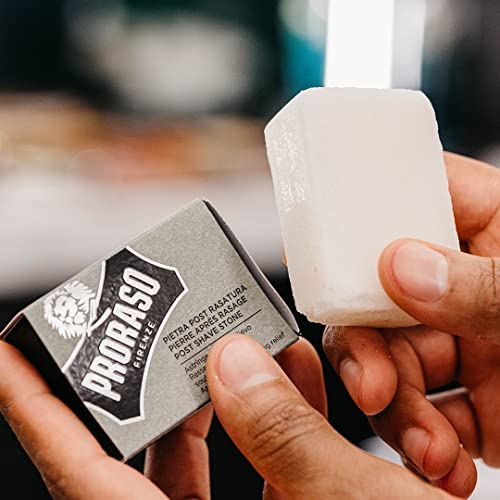

The Proraso Post-Shave Stone is a natural alum block designed to enhance your shaving experience. Crafted by Proraso, a trusted name in grooming, this 100% natural Potassium Alum stone is your go-to solution for post-shave care. With dimensions of 2.5 x 1.88 x 1.13 inches and weighing just 105 grams, it's compact and convenient for everyday use. Experience the benefits of this alum block as it reduces redness, soothes, tones, and disinfects your skin, providing a refreshing finish to your shaving routine.
- Soothes irritation: The natural astringent properties calm redness and irritation post-shave, ensuring a comfortable experience.
- Versatile: Doubles as a styptic to stop minor cuts or nicks, offering multifunctional benefits in grooming routines.
- Travel-friendly: Compact and lightweight design makes it convenient for on-the-go grooming, ideal for travel or daily use.
- Potential sensitivity: Some users with sensitive skin may experience discomfort or irritation.
- Water requirement: Relies on water for use, which may be inconvenient when traveling or in certain situations.
- Limited usage guidance: While straightforward to use, some users may desire more detailed instructions for optimal results.
Size: Approximately 100 g
The Proraso Post-Shave Stone is designed as a finishing step for traditional wet shaving.
It contains 100% potassium alum, without additional fragrance ingredients.
According to Proraso, the stone is carved from a solid block rather than manufactured through a pressing process.
It works well as part of a shaving routine that already includes a shaving soap, brush, and safety razor.
Its straightforward formulation makes it appealing to enthusiasts who prefer classic grooming products.
Why consider it: A traditional, single-ingredient post-shave stone from an established shaving brand.
Potential drawback: Packaging may be less convenient for travel than a dedicated plastic storage case.
3. Parker Large Alum Block – Best Large-Size Option


The Parker Large Alum Block is a traditional post-shave treatment made from potassium alum. Weighing 125 g (4.4 oz.), this generously sized block helps control minor shaving nicks while providing an astringent finish that leaves skin feeling refreshed. Its smooth surface allows easy application after wet shaving, and the included protective travel case keeps the block secure during storage and transportation. The reusable mineral stone is a practical addition to a regular shaving routine.
- Large Size: Generous 125 g block for long-term use.
- Minor Nick Care: Helps control bleeding from small shaving cuts.
- Protective Case: Includes a convenient travel and storage case.
- Higher Price: More expensive than some smaller alum blocks.
- Skin Dryness: May cause tightness or irritation on sensitive skin.
- Bulky Design: Larger size takes up more space in travel kits.
Size: 125 g (approximately 4.4 oz.)
The Parker Large Alum Block is one of the larger options in this selection.
Made from potassium alum, it is designed for use after shaving to help address minor nicks and provide an astringent finish.
Its larger size is a practical advantage for frequent shavers who prefer a substantial block that’s comfortable to hold.
Parker also includes a plastic travel case, helping protect the stone when it’s not in use.
Why consider it: A generous 125 g size with protective storage.
Potential drawback: The larger block takes up more space in a small grooming kit.
4. Osma Alum Block – Best Compact Traditional Option


The Bloc Osma Alum Block is a traditional French aftershave stone made from potassium alum. Weighing 2.65 oz. (75 g), this compact block provides an astringent finish while helping control minor shaving nicks. Its smooth mineral surface glides over damp skin, making it easy to incorporate into a wet-shaving routine. Known for its simple formulation and traditional craftsmanship, the Bloc Osma offers a practical, reusable alternative to liquid aftershaves.
- Pure Mineral: Made from potassium alum without added fragrance.
- Compact Size: Lightweight 2.65 oz. block for convenient use.
- Affordable Price: Budget-friendly option for traditional shaving.
- Smaller Size: May wear down faster than larger blocks.
- Mild Stinging: Can cause discomfort on irritated skin.
- Basic Packaging: Does not include a protective plastic travel case.
Size: 75 g (approximately 2.65 oz.)
The Osma Alum Block is a traditional French shaving product made by Laboratoires Osma.
The company has manufactured alum stones for decades, and its 75 g block remains one of its signature products.
According to the manufacturer, the stone is handcrafted in France.
Its smaller size makes it appealing to people who prefer a compact alum block rather than a heavier, oversized option.
The classic block also has a simple presentation without unnecessary additional grooming ingredients.
Why consider it: A compact, traditionally made alum stone with a long-established manufacturing background.
Potential drawback: The standard cardboard packaging offers less protection against moisture than a rigid travel case.
Alum Block Product Comparison
| Product | Size | Best For | Travel Case |
|---|---|---|---|
| Gentleman Jon | 105 g | Beginners and everyday use | Yes |
| Proraso Post-Shave Stone | Approx. 100 g | Traditional wet shaving | No dedicated plastic case |
| Parker Large Alum Block | 125 g | Frequent shavers wanting a larger block | Yes |
| Osma Alum Block | 75 g | Compact, traditional grooming | Standard cardboard box |
All four use potassium alum as their primary functional ingredient. Product availability, packaging, and prices may vary.
What Is an Alum Block for Shaving?
An alum block is a solid piece of potassium alum, also known as potassium aluminum sulfate. This mineral salt has been used in traditional grooming practices for generations, particularly by barbers who apply it after shaving.
When moistened with water, the block releases a small amount of alum onto the skin. Its astringent effect temporarily tightens surface tissues and can help reduce minor bleeding.
Alum blocks are typically translucent white or clear, with a smooth, stone-like texture. Most are fragrance-free and contain no alcohol, making them a simple alternative to conventional aftershave splashes.
Although sometimes called an alum stone or shaving stone, an alum block isn’t a razor or exfoliating tool. Its primary purpose is post-shave care.
It’s also important to distinguish potassium alum from other aluminum compounds found in cosmetics. Different compounds have different properties, so their effects should not be treated as interchangeable.
How Does an Alum Block Work After Shaving?
An alum block works mainly through its astringent properties.
When potassium alum comes into contact with damp skin, it causes temporary tightening of surface proteins and tissues. This reaction contributes to its traditional use for small shaving cuts and post-shave skin care.
Astringent Action
Alum temporarily tightens the surface of the skin, which can create a firmer feeling after shaving.
However, claims that alum permanently shrinks or closes pores are misleading. Pores don’t open and close like doors, and alum cannot permanently change their size.
Minor Bleeding Control
Alum’s astringent action can help small shaving nicks stop bleeding.
This makes it useful after close shaves with safety razors, straight razors, or cartridge razors. Larger or deeper wounds require appropriate first aid rather than an alum block.
Antimicrobial Properties
Potassium alum has demonstrated antimicrobial activity in laboratory research.
However, evidence that applying an alum block prevents skin infections in everyday shaving conditions remains limited. It should not replace proper cleaning or medical treatment when needed.
Benefits of Using an Alum Block for Shaving
1. Helps Control Minor Shaving Cuts
One of the most practical benefits of an alum block is helping control bleeding from tiny nicks.
Lightly passing a damp block over a small shaving cut may help the bleeding stop more quickly.
For isolated, persistent pinpoint bleeding, a styptic pencil may offer more targeted treatment.
2. Provides Post-Shave Skin Tightening
Some people enjoy the clean, tightened feeling that alum leaves on their skin.
This sensation is especially appealing to traditional wet-shaving enthusiasts who prefer a straightforward post-shave routine.
However, temporary tightening shouldn’t be confused with long-term skin firming or anti-aging benefits.
3. Helps Identify Problem Areas
An alum block can provide useful feedback about your shaving technique.
When applied after shaving, areas that experienced excessive razor pressure or repeated passes may sting more noticeably.
This can help you identify spots where you might need to adjust your technique.
For example, if your neck consistently stings after shaving, consider using lighter pressure, fewer passes, or shaving more carefully with the direction of hair growth.
Stinging isn’t a precise measure of shaving quality, though. It can also indicate sensitive or damaged skin.
4. Offers a Fragrance-Free Alternative
Many traditional aftershave splashes contain alcohol and fragrance, which some people find drying or irritating.
A pure potassium alum block generally avoids those added ingredients.
Nevertheless, fragrance-free doesn’t automatically mean irritation-free. Alum itself can cause stinging, dryness, or contact reactions.
5. Lasts Longer Than Many Liquid Products
A single alum block can last for months or longer, depending on its size, frequency of use, and storage conditions.
Because only a small amount dissolves during each application, it gradually becomes smaller rather than being used up after a few shaves.
This makes it a practical choice for anyone who wants fewer disposable grooming products.
How to Use an Alum Block After Shaving
Using an alum block correctly is simple, but gentle application matters.
Step 1. Finish Shaving and Rinse Your Skin
After shaving, rinse your face and neck with cool or lukewarm water.
Remove any remaining shaving cream, soap, or loose hair. Avoid scrubbing freshly shaved skin.
Step 2. Wet the Alum Block
Briefly run the block under cool water.
You only need enough moisture to allow it to glide smoothly over your skin. There’s no need to soak it.
Step 3. Apply It Gently
Move the damp block over the freshly shaved areas using light, smooth strokes.
Avoid pressing hard or repeatedly rubbing the same area.
A slight tingling sensation is possible, especially around minor nicks.
Step 4. Let It Sit Briefly
Allow the thin residue to remain on your skin for approximately 15–30 seconds.
If you experience intense burning, rinse immediately rather than waiting.
Step 5. Rinse Thoroughly
Rinse your face with cool water to remove the alum residue.
Leaving alum on the skin for extended periods may increase dryness or discomfort, particularly if your skin is sensitive.
Step 6. Apply Moisturizer or Aftershave Balm
Gently pat your face dry, leaving it slightly damp.
Apply a fragrance-free moisturizer or soothing aftershave balm to help maintain hydration.
Alum provides astringency, not the moisturizing benefits of a cream or balm.
Step 7. Clean and Dry the Block
Rinse the block briefly after use and place it on a clean, dry surface.
Once completely dry, return it to its case or storage container.
Common Mistakes When Using an Alum Block
Several mistakes can make alum less comfortable or reduce its lifespan.
- Applying too much pressure: Firm rubbing can further irritate freshly shaved skin.
- Using it dry: A dry block may drag across the skin instead of gliding smoothly.
- Skipping moisturizer: Alum may leave skin tight or dry without proper hydration afterward.
- Ignoring persistent irritation: Continued burning, itching, or redness is a reason to discontinue use.
- Storing it wet: Moisture can gradually dissolve the block and cause its surface to deteriorate.
The goal is to apply a light, even layer, not scrub the skin or force the mineral into shaving cuts.
How to Choose the Right Alum Block
The best alum block doesn’t necessarily need to be expensive.
Consider these factors before buying.
- Ingredient purity: Look for potassium alum clearly identified on the product label. A single-ingredient formulation is useful when you want to avoid added fragrance.
- Block size: Larger blocks are comfortable to hold and may last longer, while smaller stones are easier to pack.
- Surface condition: Choose a smooth block without rough edges, chips, or obvious cracks that could scratch your skin.
- Storage: A well-ventilated storage area is important. A protective case is useful when traveling, but only after the block has dried.
- Personal skin tolerance: If your skin is extremely sensitive or easily irritated, a gentle moisturizing balm may be more appropriate than an astringent stone.
Alum Block vs. Styptic Pencil vs. Aftershave Balm
These products serve different purposes, even though they may all appear in a shaving kit.
| Product | Primary Purpose | Best Use |
|---|---|---|
| Alum block | Astringent post-shave care | Light application across shaved skin and minor nicks |
| Styptic pencil | Targeted bleeding control | Individual small shaving cuts |
| Aftershave balm | Moisturizing and soothing | Hydrating freshly shaved skin |
A styptic pencil generally delivers a more concentrated treatment directly to a small bleeding point.
An alum block is intended for broader application over the shaved area.
An aftershave balm, meanwhile, helps replenish moisture and support skin comfort.
These products aren’t necessarily interchangeable. Some people use an alum block followed by moisturizer, while others skip alum entirely and prefer a gentle balm.
Is an Alum Block Safe for Sensitive Skin?
Alum blocks are generally tolerated by many users, but they’re not suitable for everyone.
Their astringent properties can cause dryness, tightness, stinging, or irritation.
People with eczema, an impaired skin barrier, active dermatitis, or highly reactive skin should be particularly cautious.
For sensitive skin, consider the following precautions:
- Test the product on a small area before widespread use.
- Avoid application over significant cuts, severely inflamed skin, or broken skin beyond tiny shaving nicks.
- Keep it away from the eyes and sensitive mucous membranes.
- Rinse promptly if strong burning develops.
- Discontinue use if redness, itching, or irritation persists.
Alum also contains aluminum as part of its chemical structure, so it should not be described as aluminum-free.
According to Medical News Today, research on the long-term skin benefits of alum remains limited. Laboratory evidence of antimicrobial activity does not automatically establish clinical benefits.
If shaving repeatedly causes painful bumps, pustules, or persistent inflammation, consult a dermatologist instead of relying on alum alone.
How Often Should You Use an Alum Block?
An alum block can be used after shaving when your skin tolerates it.
However, daily use isn’t essential.
For someone who shaves every day, frequent exposure to an astringent may contribute to dryness, especially during colder weather or when using other irritating skincare products.
If your face starts feeling unusually tight, flaky, or uncomfortable, reduce how often you use alum or stop using it.
A good post-shave routine should leave the skin comfortable rather than produce a strong stinging sensation.
How to Clean and Store an Alum Block
Proper storage helps preserve the block and keeps its surface in good condition.
After each use, rinse away visible residue with clean water. Shake off excess moisture and allow the stone to air-dry completely.
Keep it away from standing water, wet soap dishes, and consistently damp shower shelves.
Never leave it submerged, because potassium alum dissolves in water.
Avoid sharing a personal alum block, particularly if it has been applied to freshly shaved or nicked skin.
If the block develops sharp edges, becomes heavily chipped, or picks up visible contamination that cannot be removed, replacing it is the safer option.
With proper care, an alum block can remain useful for many shaving sessions.
Frequently Asked Questions
1. Does an alum block really help with razor burn?
An alum block may help some people feel more comfortable after shaving, but it isn’t a proven treatment for razor burn.
Its astringent properties can temporarily tighten the skin, while the cooling water used during application may feel refreshing.
However, alum can also sting or worsen irritation, particularly on already inflamed skin.
Preventing razor burn through gentle shaving, adequate lubrication, and appropriate blade replacement remains more important.
2. Should you rinse off an alum block after shaving?
Yes. Rinsing is a sensible approach, especially for people with sensitive or dry skin.
After applying a damp alum block, leave the thin residue on the skin briefly, then rinse with cool or lukewarm water.
Follow with a gentle moisturizer or alcohol-free aftershave balm.
Leaving alum on the skin longer does not necessarily improve its benefits.
3. Can an alum block prevent ingrown hairs?
There isn’t strong clinical evidence that alum blocks reliably prevent ingrown hairs.
Ingrown hairs develop when hair grows back into the skin, often after close shaving or hair removal.
To reduce the risk, shave in the direction of hair growth, avoid stretching the skin, and minimize repeated razor passes.
Anyone with frequent ingrown hairs may benefit from changing their shaving method or consulting a dermatologist.
4. Can you use an alum block every day?
Yes, some people use alum after every shave without noticeable problems.
However, whether daily use is appropriate depends on individual skin tolerance.
If daily application causes dryness, burning, or persistent tightness, reduce the frequency or replace it with a gentle aftershave balm.
An alum block is optional, not a required part of healthy shaving.
5. How long does an alum block last?
A typical alum block can last several months or longer, depending on its size and how frequently it’s used.
Larger blocks may last longer than smaller stones, although storage habits also matter.
Because alum dissolves gradually when exposed to water, keeping the block dry between uses helps extend its lifespan.
Unlike a liquid aftershave, a solid alum block generally has very little packaging waste relative to the number of applications it provides.
Final Thoughts on Using an Alum Block for Shaving
An alum block for shaving is a simple grooming tool that can help address minor shaving nicks and provide a traditional astringent finish.
Its affordability, long lifespan, and uncomplicated formulation make it appealing to wet-shaving enthusiasts and beginners alike.
Gentleman Jon is a practical starting point, Proraso suits traditional shaving routines, Parker offers a larger stone, and Osma provides a compact classic option.
However, an alum block works best as an optional finishing step, not as a replacement for careful shaving or proper skincare.
For a more comfortable shave, prioritize a sharp razor, gentle technique, adequate lubrication, and a moisturizer suited to your skin. Use alum only when it adds value without causing irritation.